Old Buildings, New Neck Aches: A Site-Level Guide to Listed and Conservation-Area Refurbs
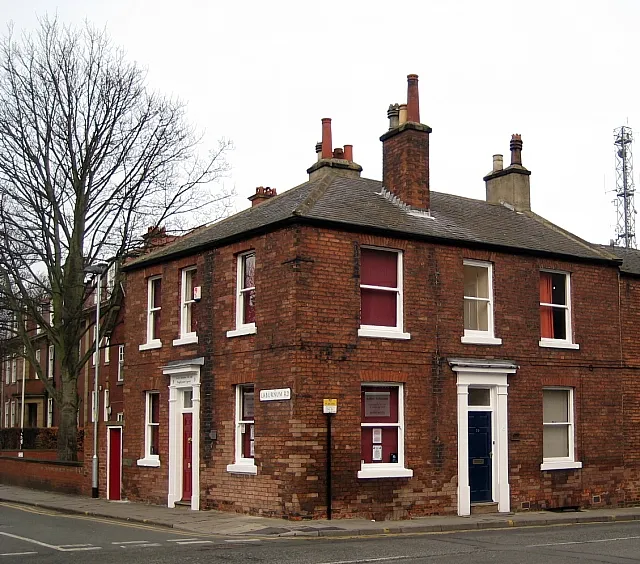
Photo: Mike Kirby, CC BY-SA 2.0, via Wikimedia Commons
Heritage work has a reputation. Mention a listed building or a conservation area and plenty of homeowners picture months of delay, a conservation officer saying no to everything, and a builder quietly adding a zero to the quote. Some of that is fair. Most of it comes from treating consent as something you sort out after the skip has arrived.
Old buildings do need a different approach. But a conservation officer is not a gatekeeper put on earth to ruin your kitchen extension. They are a statutory consultee with a job to do, and the more you understand what they are assessing, the less mysterious the process becomes.
First, Know Which Rulebook You Are In
Listed building consent and conservation-area rules are not the same thing, and mixing them up wastes everyone's time.
If the property is listed, listed building consent is usually needed for works that affect its character as a building of special architectural or historic interest. That can include internal works, not just the pretty stuff on the front. Removing a chimney breast, ripping out old joinery, changing a staircase or altering historic plaster can all fall inside the tent. Listing is not a museum freeze, but it is a strong presumption in favour of keeping what makes the building significant.
Conservation areas work differently. There is no automatic consent for every alteration. Instead, local planning rules control things like demolition, some external alterations, shopfronts, and the treatment of boundaries and surfaces. Article 4 directions can remove permitted development rights, which catches people out because a job that would be straightforward elsewhere suddenly needs an application. Some councils also keep local lists of non-designated heritage assets, which do not have the same legal weight as listing but can still shape a decision.
Check the property's status before you sketch anything. Not after. A quick call to the council's conservation team and a look at the local planning portal is cheaper than a redesign.
Pre-Application Is Not a Formality
On a heritage job, a pre-application discussion is often the most useful hour you will spend. It is your chance to put the awkward questions on the table while the design is still soft: can this window be repaired rather than replaced, will a rear extension be visible from the street or a conservation-area viewpoint, what level of detail does the officer want on the application drawings?
Turn up with information. A location plan, photos of the existing building, a clear description of what you want to do, and, ideally, a schedule of works split into repair, alteration and replacement. Officers respond better to specifics than to a vague chat about "modernising".
Do not ask them to design the scheme for you. Ask them what evidence they will need and where the pressure points are likely to be. That is a very different conversation.
Repair Before Replace Is More Than a Slogan
A lot of refusals come down to loss. Loss of historic fabric, loss of original detail, loss of the thing that makes the building worth listing in the first place.
Windows are the classic battleground. Original timber sash windows can often be repaired, draught-proofed, re-corded and fitted with slim secondary glazing. Replacing them with uPVC because it is cheaper and quicker is the kind of move that gets an application refused or a condition slapped on. If the windows are beyond saving, the argument needs evidence: condition survey, joinery report, photos, and a specification that matches the originals closely enough to be credible.
Materials matter in the same way. Lime mortar is not a lifestyle choice on old brickwork; it is about allowing the wall to breathe and flex. Cement pointing, modern sealants and impermeable renders can trap moisture and cause damage that takes years to show up. Conservation officers know this because they see the results. If you are proposing a modern material, explain why it is necessary, how it performs, and how it can be reversed later.
Drawings, Samples and Method Statements
Heritage applications are not won with a pretty elevation alone. The officer needs to understand what you are doing, how you are doing it, and what it will look like when it is finished.
Useful documents usually include existing and proposed plans and elevations, a design and access statement where required, a heritage statement that explains the significance of the building and the impact of the works, and detail drawings at a sensible scale. For work like stone cleaning, mortar repairs, plasterwork or joinery, a method statement and specification carry a lot of weight. Samples help too. A small panel of matching brick, a section of new joinery, or a tin of proposed paint colour can settle a debate faster than another round of emails.
Conditions are normal. Do not treat them as a defeat. A condition saying "details of the new windows to be submitted and approved" is simply the council keeping control of the final specification. Build that approval time into the programme rather than pretending it does not exist.
What Gets Refused, and Why
The refusals tend to cluster around a few themes: removal of historic fabric without a strong case, replacement of original features with inferior modern equivalents, extensions that dominate the host building, visible external flues or plant, loss of historic floor plans, and proposals that rely on "it will look nice" rather than evidence.
Sometimes the answer is no. Sometimes the answer is a different design. An officer may accept a modern extension if it is clearly subservient, well-detailed and does not erase the story of the original building. They may accept replacement windows if the originals are genuinely rotten and the replacements match the profile, glazing pattern and finish. They are unlikely to accept a scheme that treats the heritage asset as an inconvenience.
Build a Paper Trail Before You Build Anything Else
Keep a single project folder with the application, drawings, heritage statement, correspondence, conditions, approvals and any site notes or photos. If a question comes up on site about whether a particular lintel, window or mortar mix was approved, you want the answer in one place, not buried in someone's inbox.
Heritage jobs reward preparation. They punish improvisation. That does not mean they are impossible. It means the consent process is part of the build, not paperwork you squeeze in between deliveries. Get the status checked, talk to the conservation team early, specify repairs honestly, and put the evidence in front of them. The officer is there to protect the building. Your job is to show them that your scheme does that too.