Secure Enough, Not Fort Knox: Running Site Security Through a Refurb
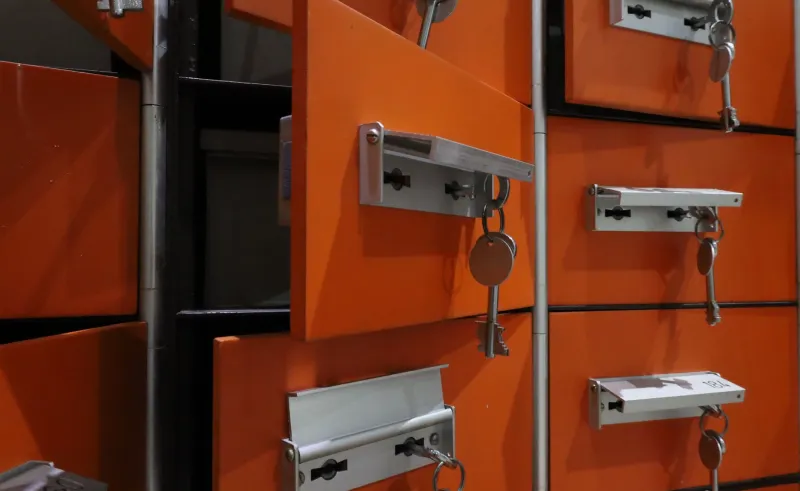
Site security often gets treated like a last-minute shopping trip: grab a padlock, chain the gate, hope for the best. On a UK refurb, that approach tends to last until the first expensive tool goes missing or the front door is left on the latch because someone needed a charger. Security is not a separate job bolted onto the build. It is part of how the job is run.
Start with who actually needs access
Before alarms and cameras, work out who needs a key, fob or code. The answer is usually fewer people than the site diary suggests. A key register sounds bureaucratic, but it does not have to be. A simple sheet with names, dates, key numbers and who handed what to whom will save a lot of hunting later. If a trade needs access for three days, they do not need a key for three weeks.
Temporary locks are useful, but only if everyone understands the lock-up sequence. Back door, front door, side gate, scaffold hatch. Who checks it? Who does it on a Friday? What happens if the electrician is last out and the joiner normally does the rounds? Write the sequence down and put it somewhere visible. A five-minute lock-up routine at the end of the day is cheaper than replacing a nail gun and a laptop.
Temporary doors, real locks
The original front door may be off for weeks. A temporary door that swings in the wind is not security. It is an invitation. Fit something that closes properly, takes a decent lock and does not leave the house open to the weather. If the property is unoccupied, ask whether the temporary arrangement is robust enough for overnight. If it is partly habitable, make sure the family or tenants are not relying on a trade's idea of locked.
Keep the key control simple. One master key held by the person running the job, individual keys for regular trades, and a clear rule that keys do not go home in van doors or get passed to a mate. It sounds obvious. It is also the detail that gets skipped when everyone is busy.
Alarms, cameras and the limits of gadgetry
A basic alarm and a couple of cameras can help, but they are not a substitute for closing a window. Check that the alarm works with the temporary supply and that the code is not the same one the previous owner used. Cameras need Wi-Fi, power and a sensible angle. A camera pointed at a skip is not much use if the side gate is wide open.
Signage can be useful, but do not pretend the site is more monitored than it is. The aim is to make the property look occupied, maintained and awkward to enter. A tidy site with lights on timers and a locked compound is often more effective than a fortress of cameras nobody checks.
Deliveries are the quiet risk
Most site losses do not happen at 2am. They happen when a delivery is left in the front garden because the merchant was early and the site was empty. Give merchants a named contact, a delivery window and a clear instruction: do not leave materials unattended. If nobody can take delivery, move it. A pallet of tiles sitting on the pavement is a security problem and a neighbour problem in one go.
If the property is empty, consider a lockable storage area or a container. If it is occupied, agree where deliveries go and who signs for them. Keep the paperwork. It is amazing how often a missing item turns out to have been signed for by someone who has since left the job.
Tools, vans and the end of the day
High-value tools should not live in the hallway. A lockable container, a secure room or removal from site overnight is better. Record serial numbers and photographs of the expensive kit. It helps with insurance and it helps with recovery. Vans should not be loaded with tools and left on the road because the drive is blocked by a skip. That is not security. That is a raffle.
Neighbours are your best sensor
A refurb can make neighbours miserable if all they see is noise and mess. It can also make them your best early warning system. Introduce yourself, explain the rough timetable and give them a contact number for site issues. Ask them to flag anything odd. Most people would rather ring you than watch someone walk out with a boiler.
Keep sightlines in mind. If the front of the house is hidden by a skip and the side gate is obscured by boards, the site is private but also blind. Trim back what you can, keep the site tidy and make sure the entrance is visible from the road where possible.
Tell the insurer before they ask
If the property is unoccupied or only partly habitable, tell the insurer. Check what the policy says about security, locks, alarms and how often someone checks the property. Do not assume the existing policy covers a full refurb with no one living there. A quick call now is better than a claim dispute later.
Put security in the programme
Security costs money and it takes time. Allow for temporary locks, a key safe, a container, lights, alarms and the ten minutes at the end of the day when someone checks the site. Build lock-up into the programme rather than treating it as the thing you do after the last cup of tea.
The best site security is not dramatic. It is a locked door, a named key holder, a tidy compound and a neighbour who knows who to ring. That is secure enough. You do not need Fort Knox. You need a refurb that is still there in the morning.