What You Can't Rush: The Made-to-Order Gear That Sets Your Refurb Dates
Most refurb programmes do not fall apart because the plasterer was a day late. They fall apart because somebody assumed the kitchen, the windows or the bespoke staircase would turn up exactly when the programme said so. In the real world, the calendar is set by factories, shipping and made-to-order queues. If you want your dates to mean anything, start with the things you cannot hurry.
Long-lead is not the same as slow
A long-lead item is anything made for your job rather than pulled off a shelf. In UK homes that usually means kitchens, boilers and cylinders, made-to-measure windows and doors, roof lanterns, staircases, specialist tiles, bespoke joinery and some radiators. A standard off-the-shelf boiler might be days away; a particular model with a vertical flue and a new cylinder can be weeks. The question is not how long the trade needs to fit it. It is how long the supplier needs to get it to your door.
Ask every supplier the same blunt question: if I order today, which week in 2026 will it land? Get that in writing. A verbal 'six to eight weeks' is not a date. A confirmed delivery week is. Then ask what could move it: factory shutdowns, container delays, a survey that has not happened yet, a colour that is special order. You are not being difficult. You are finding out where the real programme lives.
The order trigger is a date, not a feeling
People often wait until the site is ready before ordering. That is backwards for long-lead gear. The trigger should be the point when the information is fixed, not when the old kitchen is in a skip.
For a kitchen, that means final layout, appliance sizes and service positions agreed. For windows, it means the survey has been done and the sizes are signed off. For a boiler, it means the heat loss, flue route and cylinder position are settled. For a staircase, it means the opening has been measured properly. For tiles, it means the sample is approved and the quantity includes a sensible waste allowance.
Deposits are part of the programme too. Know what you are paying, what it secures and what happens if you cancel. Ask about cancellation terms before you pay, not after. Check whether the deposit is refundable, whether it becomes a credit note, and how much notice you need to give. Pay by a method that gives you a paper trail. If the order is large, ask for staged payments against clear milestones rather than handing over the full amount on day one.
Where it sits before it fits
Early delivery is not always a win. A kitchen stacked in a damp cellar, a roof lantern left in the front garden or a set of made-to-measure windows leaning against a wall are all expensive things waiting to be damaged. Decide the storage plan before the first order goes in.
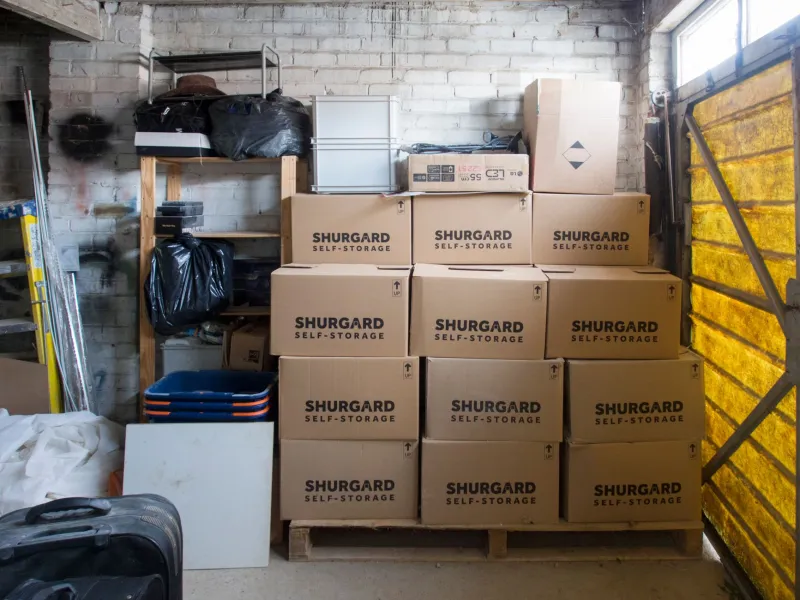
On many UK refurbs the options are a garage, a spare room, a locked container or a supplier's hold-and-deliver service. Each has a cost. Check the manufacturer's storage conditions: timber can move, flat-packed units can warp, tiles can chip, and anything with a factory finish can mark. Keep goods off damp floors, away from dust and out of direct sun. If you are storing high-value items on site, tell your insurer. A standard policy may not cover a kitchen that is sitting in a half-demolished house.
Delivery access needs thinking about as well. Narrow terraced streets, permit bays, low bridges, shared driveways and no crane space can turn a simple drop into a wasted morning. For big items, ask how they arrive, how heavy they are and whether the driver needs help. If a parking suspension is needed, book it early. Weather exposure matters too: plasterboard, timber and kitchen units do not thank you for a week in the rain.
When a supplier pushes the date
It happens. The honest response is not to pretend the programme is fine. Get the new date in writing, then look at your float. If there is slack, use it. If there is not, resequence the work so the delay does not block other trades. Do not fill the gap with a job that will be in the way when the delivery finally arrives.
Ask what caused the slip and whether a partial delivery is possible. Sometimes the carcasses can come before the doors, or the boiler before the cylinder. Sometimes a different finish or model is available sooner. Those are commercial decisions, not just site decisions, so put them to the client with the cost and time effect clear.
Keep a simple order tracker: item, supplier, order date, deposit paid, promised week, confirmed date, storage plan, access notes and cancellation terms. Review it every week. One person should own it. On a busy refurb, long-lead items are not a procurement sideshow. They are the programme.
Get the order book right and the site has a chance. Get it wrong and every trade turns up to a job that is waiting for a van.