Before the First Skip Lands: Making Sense of Insurance on a UK Refurb
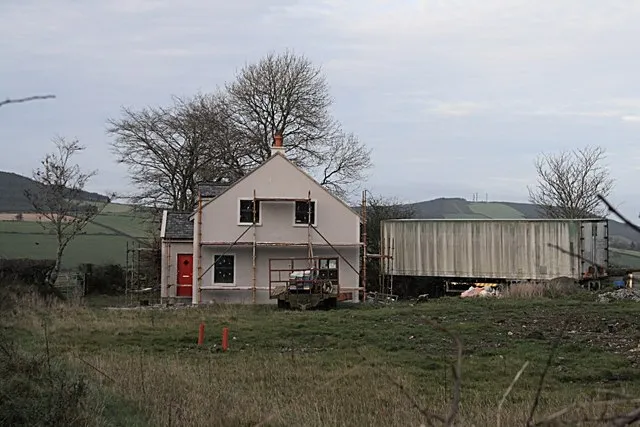
Photo: kevin higgins, CC BY-SA 2.0, via Wikimedia Commons
Most refurb conversations start with the fun stuff: kitchens, roof lights, whether the old boiler deserves a dignified send-off. Insurance tends to arrive later, usually after a ceiling has come down or a tile has gone through a neighbour's conservatory. That is the wrong order.
A refurb changes the risk profile of a property. Insurers know this. They have specific wording for empty homes, for properties 'undergoing works', and for the period when a contractor and their tools are on site. If nobody checks that wording before day one, the friendly assurance that 'we're all covered' can turn into a very expensive group shrug.
This is not legal advice, and it is not a substitute for reading your policy. It is a practical way to frame the pre-start conversation so you ask better questions, keep better paperwork, and avoid discovering a gap at the worst possible moment.
Your buildings policy is not a magic cloak
Your standard home buildings policy is built around a home being lived in, maintained and reasonably watertight. Start stripping out a bathroom or leaving a property empty for six weeks and the assumptions behind that policy begin to wobble.
Some policies require you to tell the insurer before work begins. Some exclude damage caused by the works themselves. Others restrict cover if the property is unoccupied for more than a set number of days, or if it is 'undergoing renovation' beyond a certain value or duration. The exact triggers vary, which is why the policy schedule and the policy booklet matter more than the renewal letter.
If the property will be empty during the refurb, say so. If you are living there while the back of the house is opened up, say that too. If the contract value is significant, or the works involve structural alterations, mention it. Insurers dislike surprises, and so do homeowners when a claim is declined.
Contractor cover: public liability, employers' liability and the bit people forget
A reputable contractor should carry public liability insurance. That covers injury to third parties or damage to third-party property arising from the works. It is not the same as cover for the works themselves.
Employers' liability is the other big one. If the contractor employs people, they should have it, and there is a legal requirement to hold it in most cases. Ask for the certificate. A certificate of employers' liability insurance is a standard document, not a state secret. If a sole trader turns up with a mate helping out, ask how that mate is covered. 'He's just helping' is not an insurance category.
Then there is contract works insurance, sometimes called a works policy or renovation cover. This is the cover for the building works while they are in progress, including materials on site and workmanship. On larger jobs it may sit with the contractor. On some domestic projects the homeowner is expected to arrange it. Occasionally both parties assume the other has done it. That is the classic gap.
Ask plainly: who is insuring the works themselves, up to what sum, and for what period? If the answer is vague, get it in writing.
The exclusions that tend to bite
Insurance exclusions are not usually hidden in the dark. They are in the documents nobody reads until claim time. For refurbishments, the usual suspects are:
- Unoccupied properties. Many policies reduce cover or impose conditions after a set period. Some require weekly inspections or draining down systems.
- Properties undergoing works. Cover may be restricted once works begin, or may exclude damage caused by the works.
- Gradual damage and poor workmanship. Insurance is not a maintenance policy. If a leak has been developing for months, or a bad joint was always going to fail, expect scrutiny.
- Theft of materials and tools. Cover for materials on site may sit with the contractor, not your buildings policy. Tools are often excluded from household policies.
- Damage to adjoining property. Your neighbours' insurance may deal with their building, but liability questions can still land at your feet. Party wall matters have their own paperwork.
None of this means a refurb is uninsurable. It means the policy needs to match the reality of the job.
Five questions to ask before day one
Ask your insurer:
- Do I need to notify you that building works are starting, and what information do you need?
- Does my policy restrict cover while the property is empty or undergoing works, and for how long?
- Are contract works, materials on site and temporary structures covered under my policy, or do I need separate cover?
- What security and inspection conditions apply during the works?
- If the contractor's work causes damage, how does my policy respond and what should I do first?
Ask your contractor:
- Can I see your public liability certificate and, if you employ people, your employers' liability certificate?
- Who is insuring the works themselves, and what is the limit?
- Are your subcontractors covered under your policies, and do you check their certificates?
- What is your process if something goes wrong out of hours?
- Will you provide updated certificates if cover changes before completion?
Five questions each is enough to expose most misunderstandings. If the answers are confident but undocumented, ask for the paperwork. A policy schedule is worth more than a warm sentence.
Certificates worth seeing, not just hearing about
Before the first skip arrives, ask for the current certificates and check the basics: the named insured, the policy period, the limit of indemnity, and whether the cover relates to the type of work being done. A certificate for general building maintenance may not cover structural alterations. A policy that expired last month is not cover.
Keep copies in your project folder. If your insurer asks for evidence that the contractor is insured, you will have it. If there is a dispute later, you will have a dated record of what was in place at the start.
Keep the conversation alive mid-build
Insurance is not a box-ticking exercise at the start and then forgotten. If the scope changes, the timescale stretches, or the property becomes empty for longer than planned, tell your insurer. If the contractor's policy is due for renewal mid-project, ask for the new certificate. If you are unsure whether a change is material, ask. Insurers generally prefer a question to a claim.
A refurb is a controlled disturbance to a property. Insurance is there to make sure the disturbance stays controlled. Sort the cover before the first skip lands, and you can spend the rest of the job arguing about tile spacers like normal people.