Find the Cause First: A Plain-English Approach to Damp

Photo: UK surveyor inspecting damp wall with moisture meter and report, via c8.alamy.com
Few building problems are sold as confidently as damp proofing. A meter goes against a wall, a reading is taken, and suddenly the answer is an injection, a membrane or a guarantee. Sometimes that is right. Often it is not. Damp is a symptom, not a diagnosis. In UK homes the cause is usually one of four things: condensation, penetrating damp, a leak, or rising damp. They can overlap, and one can hide another. The treatment for each is different, which is why the diagnosis has to come before the product.
The four suspects
Condensation is common in modern, well-sealed homes where moisture has nowhere to go. Penetrating damp comes from outside, through roofs, gutters, render, pointing or seals. Leaks can travel along joists and appear metres from the source. Rising damp is possible, but it is less common than the doorstep sales pitch suggests. Before anyone drills, ask which cause has been identified and how. If the answer is a shrug and a guarantee, slow down.
Rule out leaks first
Start with water where it should not be. Check gutters, downpipes, roof tiles, flashings, window seals, overflows, pipework, drainage, shower trays and any recent alterations. Look for staining that grows after rain, active drips, blistering paint or a musty smell in one area. A slow leak can make a wall look like it has a damp problem when the real problem is a failed gutter joint two metres away.
If there is a leak, fix it and let the building dry before deciding on any damp treatment. Moisture readings taken during an active leak tell you very little about how the wall behaves in normal conditions. They may justify a repair, but they do not prove rising damp.
Understand the wall before blaming it
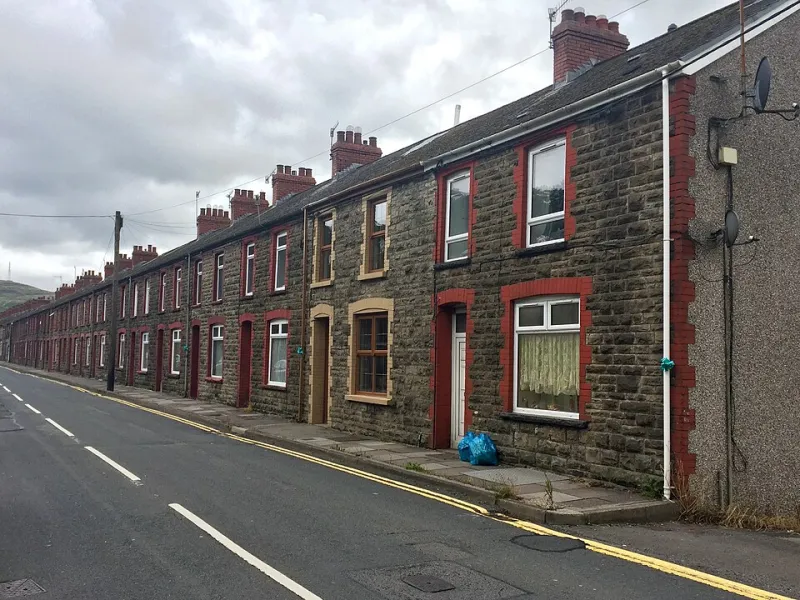
UK housing stock is varied. A Victorian solid brick wall, a 1930s cavity wall, a rendered blockwork extension and a stone cottage do not behave in the same way. External ground levels above the damp-proof course, blocked cavities, cement render trapping moisture, failed pointing, non-breathable paint and bridged damp-proof courses can all create damp-like symptoms.
Ask the surveyor to explain the construction and why the proposed repair suits it. A generic injection is not a diagnosis. If the report does not mention the wall type, the ground levels, the drainage and the ventilation, it is probably not a full investigation.
Condensation: the most common and most ignored
Condensation is often the likely culprit in homes that are warm, sealed and heavily used. Cooking, showering, drying clothes indoors and poor ventilation put moisture into the air. It settles on cold surfaces: window reveals, external wall corners, ceilings, wardrobes and behind furniture. Black mould spots are a clue, but not proof.
One hygrometer reading is not evidence. Ask for a period of temperature and humidity data, plus a check of extract fans, trickle vents, heating patterns and how the property is used. The fix is usually ventilation, heating and moisture control, not injection. For property managers, that also means a documented conversation with the tenant about condensation and what they can do. It is not about blame; it is about giving the remedy a fair chance.
Penetrating damp and rising damp
Penetrating damp comes from outside: defective gutters, cracked render, failed pointing, roof faults or window seals. It often appears after wind-driven rain and is localised. The repair is external, not a chemical injection inside.
Rising damp is possible but needs evidence. Look for a pattern of damp at low level, salt contamination, a failed or bridged damp-proof course, and a report that rules out other causes. Be wary of a diagnosis based on one meter reading and a promise of a long guarantee. Rising damp is a technical judgement, not a sales line.
What evidence to ask for
Ask for a written report with photos, a plan showing readings and locations, dates, the likely cause, the recommended repair and alternatives. It should explain why condensation, leaks and penetrating damp have been ruled out. Ask whether the person surveying sells the treatment they are recommending. That is not automatically a problem, but it is a conflict of interest worth naming.
For property managers, a dated diagnosis is also compliance evidence if a tenant raises a complaint. It shows that the problem was assessed, not simply sprayed. Keep the report with the maintenance records and any follow-up checks.
When to pay for a survey rather than a guarantee
Pay for an independent survey when the cause is unclear, when several walls are affected, when previous treatments have failed, when the building is listed or older, or when a purchase, tenancy or insurance dispute is involved. A proper survey costs money, but it is often cheaper than a failed injection and redecoration.
A guarantee is only as good as the diagnosis behind it. Read the exclusions. Many cover the treatment, not condensation, leaks or poor maintenance. If the cause is condensation and the guarantee only covers rising damp, you have bought paperwork, not protection.
Treat the cause, not the damp stain
The plain-English rule is simple: diagnose first, treat second. Stop active leaks, understand the wall, control moisture, then choose a repair. If someone offers a guarantee before they have explained the cause, slow down. Damp is a symptom, not a sentence. The right fix is the one that matches the evidence.