Built for British Weather: Programming a Refurb Around Rain, Frost and Drying Time
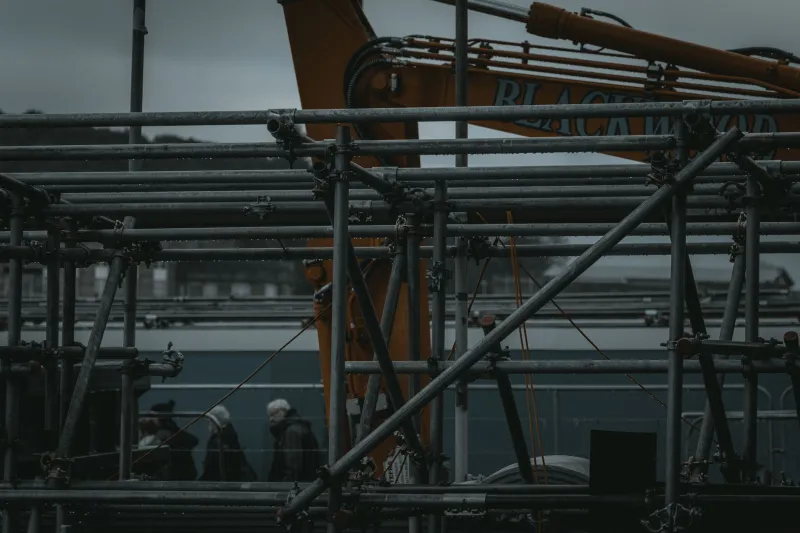
British weather is not an excuse. It’s a line item. Anyone who has tried to get a render coat to cure in a wet November, or watched a screed sit stubbornly damp while the flooring delivery date creeps closer, knows the sky has a say in the programme. The problem is that too many refurbishments are planned as if the weather will behave, then patched up later with vague phrases like “weather permitting”. That phrase can cover a lot of sins — and a lot of cost.
A sensible refurb plan treats rain, frost, wind and short daylight as predictable risks, not surprises. You can’t control the weather, but you can control how much it costs you.
Which stages actually care about the weather
Not every job on site is equally exposed. The weather-sensitive work tends to cluster around anything wet, anything external and anything that needs to dry or cure.
Groundworks and concrete are obvious candidates. Trenches fill with water, concrete can be damaged by frost before it has gained strength, and access routes turn into a bog. A wet autumn can push a foundation or drainage programme back by days at a time, and once a trench is open, you can’t simply ignore it.
Brickwork, blockwork and mortar don’t like heavy rain or freezing temperatures. Mortar needs reasonable conditions to set, and newly built walls need protection from driving rain. Frost can compromise work that looked fine the afternoon before.
Render and external finishes are especially fussy. They need the right temperature and enough drying time. Applying render in cold, damp conditions is a false economy; it may look finished, but it can fail later.
Roofing and rainwater goods are the classic weather-window trades. Wind stops safe access, rain stops the work, and a half-finished roof is a problem for everything underneath it. Getting the building watertight is usually the single most important milestone in a refurb programme.
Plaster, screed and decoration are indoor trades, but they are not weather-proof. Plaster needs to dry, screed needs to dry, and paint needs the right temperature and moisture levels. Cold, humid weather slows all of it down. Short daylight doesn’t help either, especially on occupied or part-occupied sites where noisy work has to stop at a reasonable hour.
External landscaping, driveways and drainage often get left to the end, which is exactly when a wet spell can leave the job looking unfinished for weeks.
The hidden clock: drying, not just rain
Most homeowners think weather delay means “it rained so they went home”. In reality, the bigger cost is often drying time. Plaster, screed, tiling adhesive and paint all have moisture conditions to meet. A screed that would dry in a fortnight in a warm, ventilated house can take much longer in a cold, sealed shell in January.
That matters because the next trade can’t start until the moisture level is right. Flooring laid too early can fail. Decoration applied too soon can blister or flake. The programme says “first fix complete” and “second fix start”, but the building has its own view.
Good refurb planning builds in drying and curing time as real activities, not blank space. It also plans for temporary heating, ventilation and dehumidification where needed — and agrees who pays for the electricity and the kit before the meter starts spinning.
Float is a plan, not a prayer
A programme with no float is a wish list. For a UK refurb, it’s reasonable to carry an explicit weather allowance, particularly for external works, groundworks and the watertight stage. That allowance should be visible in the programme rather than buried inside optimistic trade durations.
Useful ways to build it in:
- Sequence work so internal trades can start as early as possible. Once the shell is watertight and secure, internal enabling works, first fix and drylining can often proceed even if the external render is waiting for a better window.
- Front-load decision dates. If the roof, windows or external doors are on the critical path, order them early and agree a go/no-go date for external stages.
- Separate weather allowance from trade slippage. If a trade is late because of poor organisation, that’s not a weather event. Keep the two distinct so the programme stays honest.
- Use historical weather data, not folklore. Met Office records for your region give a decent steer on typical rainfall, frost risk and daylight hours. It won’t predict the exact week, but it stops the programme being built on fantasy.
- Plan temporary protection as part of the job. Tarpaulins, temporary roofing, frost blankets, pumps, heaters and dehumidifiers cost money. They are cheaper when planned than when bought in a panic.
What to agree in writing before “weather permitting” becomes a catch-all
A contract that says “weather permitting” and nothing else is an invitation to argue later. Both sides need to know what counts as weather delay, how it is recorded and what happens to the date and the money.
Before work starts, agree practical points such as:
- What triggers a weather delay. For example, Met Office warnings, recorded temperatures below a stated threshold, sustained heavy rainfall, or wind speeds that make scaffolding work unsafe. Keep it measurable where possible.
- How notice is given. A contractor should tell the client promptly when weather is affecting the programme, with a site diary note and photographs. A vague mention weeks later is not good enough.
- What records are kept. Daily site diaries, photos, delivery notes, weather logs and correspondence all help. If the job is delayed, the evidence should already exist.
- Whether time is extended, and whether money follows. An extension of time and additional payment are not the same thing. The contract should say clearly what happens to the completion date and what happens to standing time, plant hire, temporary protection or additional heating costs.
- Who pays for protection and drying. Temporary roofs, heaters, dehumidifiers and pumps can be significant costs. Agree the principle before they are needed.
- How decisions are made when conditions are marginal. A roofer may be able to work in a light drizzle but not in high wind. A plasterer may need the heating on overnight. Someone needs the authority to make the call and the responsibility to record it.
This isn’t about turning a straightforward refurb into a legal document. It’s about removing the ambiguity that makes weather disputes so tedious. If the contract wording is doing heavy lifting, get it checked by someone qualified — but don’t leave it until the first wet week.
Practical habits that keep a wet job moving
A few habits make a real difference. Keep a daily site diary with photographs, especially on external work. Check the forecast at the start of each week and adjust the next seven days rather than pretending the original plan still holds. Protect openings early. Keep drainage and pumps available before the rain arrives, not after the trench floods.
Above all, be honest with the client about what the weather can do to the dates. A realistic programme with a visible weather allowance is far more professional than a tight programme that collapses at the first frost. The sky will do what it does. The plan should already have made room for it.