Five, Twenty, or Nothing at All: How VAT Actually Lands on a Refurb Invoice
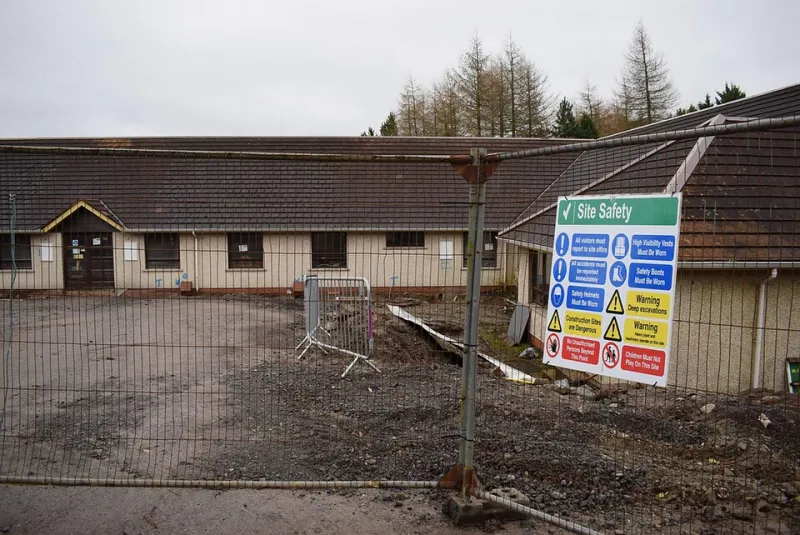
Photo: Kenneth Allen , CC BY-SA 2.0, via Wikimedia Commons
VAT on a refurb has a habit of arriving late. You agree a number, you budget for the number, and then the invoice shows up with a fifth on top and a cheery note about 'VAT as applicable'. There goes the contingency, and there goes the quartz worktop.
None of it is actually mysterious. Every job falls into one of three buckets: 20%, 5%, or 0%. The skill is working out which bucket applies long before the first sledgehammer swing, because by invoice stage your negotiating position is roughly that of a man arguing about the bill after eating the meal.
One caveat up front: this is how the rules tend to land in practice on UK domestic refurbs, not tax advice. If your project is unusual or the numbers are big, an accountant or HMRC's VAT helpline will give you a firmer answer than any blog can.
Bucket one: standard-rated at 20%
Most refurbishment work sits here, and it's the default you should budget against. Repairs, replacements, general renovation of a home that people have been living in, new kitchens and bathrooms in an occupied house, damp work, re-roofing, re-wiring — all standard-rated.
Extensions are standard-rated too. That one surprises people, because 'new build' is zero-rated and an extension feels like building. It isn't a new dwelling, so it doesn't qualify. Knock a two-storey extension onto the back of a Victorian semi and you'll pay 20% on the lot.
Bucket two: the 5% bracket, which is narrower than the pub says
The reduced rate exists, but it applies to specific situations rather than to specific types of work:
- Renovating a dwelling that has been empty for at least two years. This is the big one for refurbishers. Empty means empty — no one living there, and the date matters. Council tax records, utility bills and dated photos are your evidence.
- Converting a non-residential building into a dwelling — the classic barn or shop-to-house job.
- Changing the number of dwellings in a building — house into flats, flats back into a house.
- Certain works to buildings used for charitable purposes.
Notice what isn't on that list: 'it's old', 'it's tired', 'the client is a nice person'. The 5% rate follows the building's history and status, not the scale of the mess.
There's a separate relief worth knowing about if insulation and heating are on your list. Qualifying energy-saving materials — insulation, solar, heat pumps, biomass boilers and so on — have been charged at 0% when installed in residential buildings since April 2022. That relief is currently set to run until 31 March 2027, so if you're pricing a fabric-first job in 2026, the timing is genuinely in your favour. Make sure the quote reflects it rather than quietly assuming 5% or 20%.
Bucket three: zero-rated, and where it doesn't reach
Zero-rating applies to the construction of new dwellings, and to certain works that make a home suitable for a disabled person — widening doorways, ramps, accessible bathrooms and so on. Useful, narrow, and not what most people mean when they say refurbishment.
This is where the DIY refund scheme trips people up. The VAT431NB route lets self-builders reclaim VAT on a new house, and there's a version for conversions. Refurbishing an existing house you already own does not qualify, no matter how much of it you rebuild. Plenty of people find that out after spending six months collecting receipts.
The listed building myth that refuses to die
Here's the one that catches out owners of period property. Alterations to listed buildings were zero-rated until 1 October 2012. That relief was withdrawn, and it is not coming back. Alterations to a listed building are now standard-rated, as are repairs. The 5% empty-home rule can still apply if the building has genuinely stood empty for two years, and there are narrower reliefs around charitable use, but 'it's listed' is no longer a VAT argument on its own.
If a contractor tells you listed work is zero-rated, ask them to put that in writing along with the legal reference. Then enjoy the silence.
Why the invoice wording is the whole ballgame
A compliant VAT invoice has to describe the supply accurately and show the rate applied. For a 5% job, 'renovation of a dwelling empty since March 2023' is a description. 'Works as agreed' is not. If HMRC comes asking three years later, the difference between those two phrases is the difference between a clean file and an argument.
The builder charges and accounts for the VAT, so in theory the rate is their problem. In practice a wrong rate tends to come back as a revised invoice, a demand for the shortfall, or a delay while it's all unpicked. Nobody wins except the solicitor.
Where homeowners actually get caught
- Professional fees are always 20%. Architect, structural engineer, party wall surveyor, private building control — none of them inherit the rate on the building work.
- Local authority building control fees sit outside VAT as statutory charges; private approved inspectors charge VAT on theirs. Small detail, real money.
- Materials you buy yourself are standard-rated at the till, always.
- Mixed contracts. One job covering a qualifying conversion and a non-qualifying extension needs an honest apportionment, and the builder has to be able to justify the split.
- 'Plus VAT' in small print on page three of a quote. Read the whole document.
- Subcontractors. Using a VAT-registered main contractor doesn't make the 20% disappear because the groundworks firm isn't registered.
Questions to ask before the scaffold goes up
- Are you VAT-registered, and if so what rate will you apply to this job, and why?
- Has the property been empty, and for how long — and what evidence will we both keep?
- Which parts of this quotation qualify for a reduced or zero rate and which don't?
- How will those parts be described on the invoice?
- Will the rate be written into the contract, not just the quote?
- If HMRC queries this later, who carries the risk?
Ask in writing. Keep the answers.
The rule of thumb
Twenty per cent is the default. Five and zero are exceptions you have to prove, with dates and paperwork, and they belong to the building rather than to the work. Budget at the default, keep every invoice, photograph the empty rooms before you start, and treat any saving as a bonus rather than a plan.
That way, when the invoice lands, the only surprise is how quickly the plasterer turned up.